
What is LGS?
Lennox-Gastaut syndrome (noun): len’ŏks gahs-tō sin-drōm—a rare form of epilepsy characterized by multiple types of seizures. The peak onset of LGS is between 3 and 5 years of age. Symptoms of LGS may not be present at birth but usually appear in early childhood and evolve over time. People with LGS may have uncontrolled seizures or developmental delays before receiving a definitive diagnosis.
Who gets it?
LGS usually begins in early childhood and can change over time. LGS is typically diagnosed between 2 to 8 years of age, but for some, diagnosis can take longer. Approximately 48,000 people in the US are living with LGS.
Up to 5% of children with epilepsy are diagnosed with LGS.
What causes it?
Some of the known causes include brain injury, infections, brain malformations and a history of infantile spasms. Genetic disorders may also be an underlying cause.
The cause is unknown in 25% to 33% of people who have LGS.
If you suspect you or your loved one has LGS, click here to get connected to a doctor or specialist near you.
What does LGS look like?

Developmental delays
Or delays in intellectual ability and/or physical motor skills

Abnormal electroencephalogram (EEG)
Or brain wave patterns, such as a slow-spike wave pattern (SSW), which may not be seen in adults with LGS

Multiple seizure types
The most common types of seizures include tonic, atonic, generalized tonic-clonic (also known as grand mal seizures), atypical absence, myoclonic, and focal aware (also known as simple partial seizures) or impaired awareness seizures

Childhood onset
While most people with LGS have seizures that begin typically before the age of 5, their seizures can start at any point during childhood and will continue into adulthood
Seizures in LGS from childhood to adulthood
80% to 90% of children with LGS continue to have seizures as adults.
Young children with LGS normally experience a variety of seizure types that can happen daily or several times a week. The main seizures experienced by children with LGS include:
- Tonic, atonic, and atypical absence
- Tonic seizures during sleep
- Generalized tonic-clonic (also known as grand mal) and focal seizures may also occur
As they grow up into teens and adults, they may experience changes in the type of seizures and when seizures occur:
- Fewer daytime seizures
- More drop seizures that can lead to injuries
Recognizing these types of seizures can help when talking to your doctor*
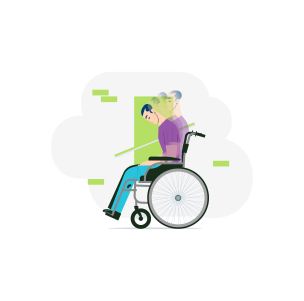
Atonic seizures
(a-taa-nik)
- May be referred to as a “drop attack” or “drop seizure”
- Person has a sudden loss of muscle tone and goes limp
- Mild seizures look like a head nod or drop, while severe seizures can cause a person to fall to the ground
- People with these types of seizures may wear helmets to protect from injuries
Common search terms:
Atypical absence seizures
(a-TIP-i-kul/ab-sans)
- Period of "blanking out" or staring into space as also seen during typical absence seizures
- Referred to as "atypical" as the person may exhibit small movements such as chewing or lip smacking, and/or finger or hand rubbing
- May begin and end more gradually compared to typical absence seizures
Common search terms:

Focal aware/simple partial seizures
(fō-kǝl ǝ-'wer/sim-pǝl pär-shǝl)
- Used to be called simple partial seizures
- Person is fully alert and usually able to interact
Experiences can include:
- Involuntary motor movements on one side of the body
- Intense sensory or emotional episodes, such as déjà vu or feeling unexplained emotions
Common search terms:
Focal impaired awareness/complex partial seizures
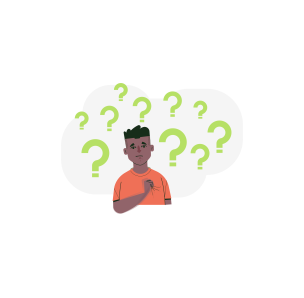
(fō-kǝl im-'perd ǝ-'wer-nǝs/käm-,pleks pär-shǝl)
- Used to be called complex partial seizures
- Person loses awareness, may not respond, and may have no memory of the seizure
Experiences vary, but can include:
- Starting with a blank stare, followed by chewing/lip smacking
- Random activity like picking at the air or clothes, attempting to pick up objects, removing clothing, repeating words or phrases, etc

Generalized tonic-clonic/grand mal seizures
(jen-rǝ-,līzd tän-i(k)-'klä-nik/grän(d)-,mäl)
- Formerly known as “grand mal” seizures. This seizure type is what most people think of when they hear the word “seizure”
- Person loses consciousness or awareness, muscles extend and become rigid, and then jerk rhythmically on both sides of the body
Common search terms:
Infantile spasms/epileptic spasms
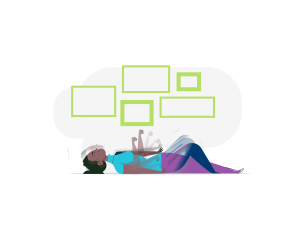
(in-fǝn-,tī(-ǝ)l/e-pǝ-'lep-tik spa-zǝms)
- Typically occurs within first year of life, usually by 4 to 8 months
- Typically seen as a sudden stiffening of the body and brief bending forward or backward of the arms, legs, and head (can occur with limbs coming inwards toward chest, but not always)
- Face may grimace or look surprised
- Some infants arch their backs as they extend their arms and legs
- Some infants may experience head drops
- Frequently occur in clusters upon awakening or going to sleep
- May look like a startle reflex in infants
Myoclonic seizures
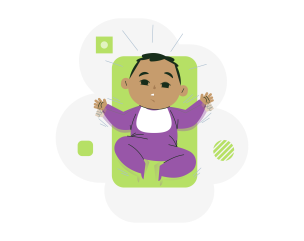
(MY-o-KLON-ik)
- Sudden, brief, shock-like muscle movements or jerks that usually don’t last more than a second or two
- Person is alert
- May occur in clusters and may be more pronounced upon wakening
Common search terms:
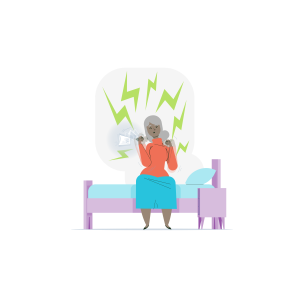
Tonic seizures
(tän-i(k))
- Muscles in the body, arms, or legs suddenly become stiff or tense
- May happen during sleep, but can happen at any time of the day
- Can cause a person to fall if standing
- Typically lasts for less than 20 seconds at a time
Common search terms:
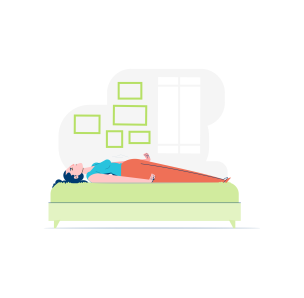
Your loved one’s symptoms could be a sign of a more specific type of epilepsy
By confirming a diagnosis early on, your doctors can work with you to develop the right treatment plan.
Unrecognized and/or uncontrolled seizures are linked to developmental delays, learning and behavioral disorders, and other negative long-term outcomes.
See if your loved one has any LGS symptoms with this tool:

“It was his adult neurologist who finally made the diagnosis of LGS. With a proper diagnosis, he was able to get on medications that worked better for him.”
— Annette, mother of an adult living with LGS
How is LGS treated?
There are many potential treatment options for uncontrolled seizures.

Medications, including antiseizure medications (ASMs)* or other treatments, are used to treat seizures. Certain rescue medications may be used for seizures that last longer than 5 minutes or occur very close together without breaks.

Some people try dietary approaches, like the high-fat, low-carb, medical ketogenic diet, which are carefully monitored by a dietitian.
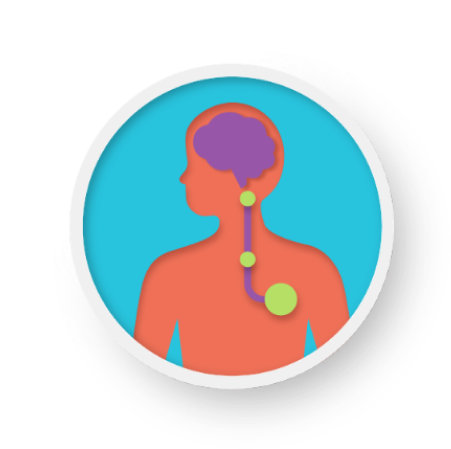
For some people, the use of implanted devices or surgical methods may be recommended.
Learn about a specific treatment option for people diagnosed with LGS
*It may be necessary to try more than one ASM at a time to effectively reduce the number of seizures because these drugs may work through different targets in the body. These therapies may take a while to start working, and it is not uncommon for people to be on multiple therapies at a time.
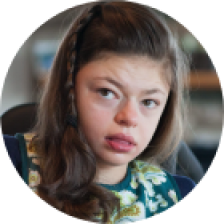
Lili’s story
From irritability and infantile spasms to an LGS diagnosis
Lili was 6 months old when her seizures started. In this video, her mom, Natalie, talks about their diagnosis story, the power of doing your own research, and the importance of getting the right diagnosis.
FAQs
Here are the answers to some common questions caregivers have about LGS and more.
Why should I pursue a diagnosis of LGS?
A specific LGS diagnosis can help you and your doctor open the door to treatment options, access to foundations, grants, or other financial assistance, a supportive community of others who can relate to your experiences, and much more.
Can adults be diagnosed with LGS?
Yes. Even if the signs of LGS have been missed or overlooked in childhood, it’s not too late to get a specific diagnosis. And never too late to get your loved one the treatment they need and deserve.
Can my loved one be diagnosed with LGS if they already have a different diagnosis?
Yes. LGS can be diagnosed alongside other seizure syndromes and neurological conditions, like tuberous sclerosis complex (TSC), autism, hyperactive disorders, and cerebral palsy. It's also seen in people who show developmental delays both physically and mentally.
What kind of medical professional can make an LGS diagnosis?
Any doctor can diagnose LGS, but neurologists and epileptologists typically have a deeper understanding of epilepsy and can make a more informed diagnosis. If you aren’t seeing a neurologist or epileptologist, you can use the Find a Doctor tool below.
What is the LGS screener and why was it created?
The LGS screener on this site is designed to help caregivers, and others who know someone living with epilepsy, to recognize the possible signs of LGS. It’s a version of the Refractory Epilepsy Screening Tool for LGS (REST-LGS) which was originally created by epilepsy experts so that healthcare professionals could identify and treat LGS in their patients. The screener involves 8 questions that help determine if it’s unlikely, possibly, or likely LGS.
What is an electroencephalogram (EEG)? What are some of the reasons a doctor would say it is abnormal?
An EEG is a test that uses small metal discs placed on the scalp to measure electrical activity in the brain. A pattern of “slow spike-wave” (SSW) and other abnormalities like “paroxysmal fast rhythms” may be something your doctor could tell you if there is a potential LGS diagnosis.
Additional support
Looking to feel supported along your LGS journey? Here are a few resources to look into.
LGS brochure
A PDF with detailed educational information and resources to help you and your loved one understand and navigate an LGS diagnosis.

LGS Foundation Find a Doctor tool
Finding the right doctor, specialist, or center can be one of the most important steps toward a specific diagnosis.

LGS Foundation
“While there is no cure for LGS, there is a hopeful path forward. On this site, you will find useful information and resources—and most importantly, a community of support.”
Think it could be LGS?
Answering these 8 expert-approved questions can make it easier to find out if your loved one is living with LGS and help you start the conversation with your doctor.