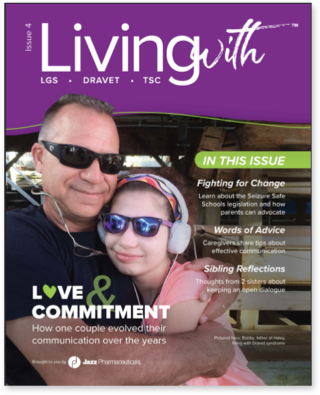
Resources & FAQs
If you're seeking more clarity around getting a diagnosis, these resources and FAQs are here to guide and support you along the way.
FAQs about LGS
Here are the answers to some common questions caregivers have about LGS and more.
Why should I pursue a diagnosis of LGS?
A diagnosis of LGS can help you and your doctor open the door to treatment options, access to foundations, grants, or other financial assistance, a supportive community of others who can relate to your experiences, and much more.
Can adults be diagnosed with LGS?
Yes. Even if the signs of LGS have been missed or overlooked in childhood, it’s not too late to get a specific diagnosis. And it’s never too late to get your loved one the treatment they need and deserve.
Can my loved one be diagnosed with LGS if they already have a different diagnosis?
Yes. Because LGS encompasses a range of epilepsy characteristics, it can be diagnosed alongside autism, hyperactive disorders, other seizure syndromes, and neurological conditions like cerebral palsy and tuberous sclerosis complex (TSC). It’s also seen in people who show developmental delays both mentally and physically.
What kind of medical professional can make an LGS diagnosis?
Any doctor can diagnose LGS, but neurologists and epileptologists typically have a deeper understanding of epilepsy and can make a more informed diagnosis.
What is the questionnaire and why was it created?
The questionnaire on this site is designed to help caregivers, and others who know someone living with epilepsy, to recognize the possible signs of LGS. It’s a version of the Refractory Epilepsy Screening Tool for LGS (REST-LGS) which was originally created by epilepsy experts so that healthcare professionals could identify and treat LGS in their patients. The screener involves a few questions that help determine if it’s unlikely, possibly, or likely LGS.
What is an electroencephalogram (EEG)? What are some of the reasons a doctor would say it is abnormal?
An EEG is a test that uses small metal discs placed on the scalp to measure electrical activity in the brain. A slow spike-wave pattern (SSW) and other abnormalities like paroxysmal fast rhythms may be something your doctor could tell you if there is a potential LGS diagnosis.
Downloadable resources
As a caregiver, you help other people day in and day out, but sometimes you need a little help, too. That's why we've highlighted some of the top caregiver-recommended tools and resources, so you can feel supported and prepared every step of the way.
Lennox-Gastaut syndrome (LGS) brochure
A PDF with detailed educational information and resources to help you and your loved one understand and navigate an LGS diagnosis.
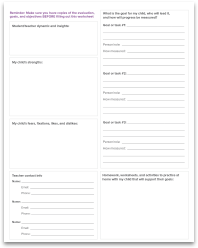
Individualized Education Plan (IEP) worksheet
Tips to help you navigate the annual goals and support services designed for each individual’s needs, ranging from speech therapy and counseling to curriculum modifications and mobility amenities.

Seizure readiness kit
Advice from a caregiver on how to put together a personalized seizure readiness kit to help you feel more prepared.
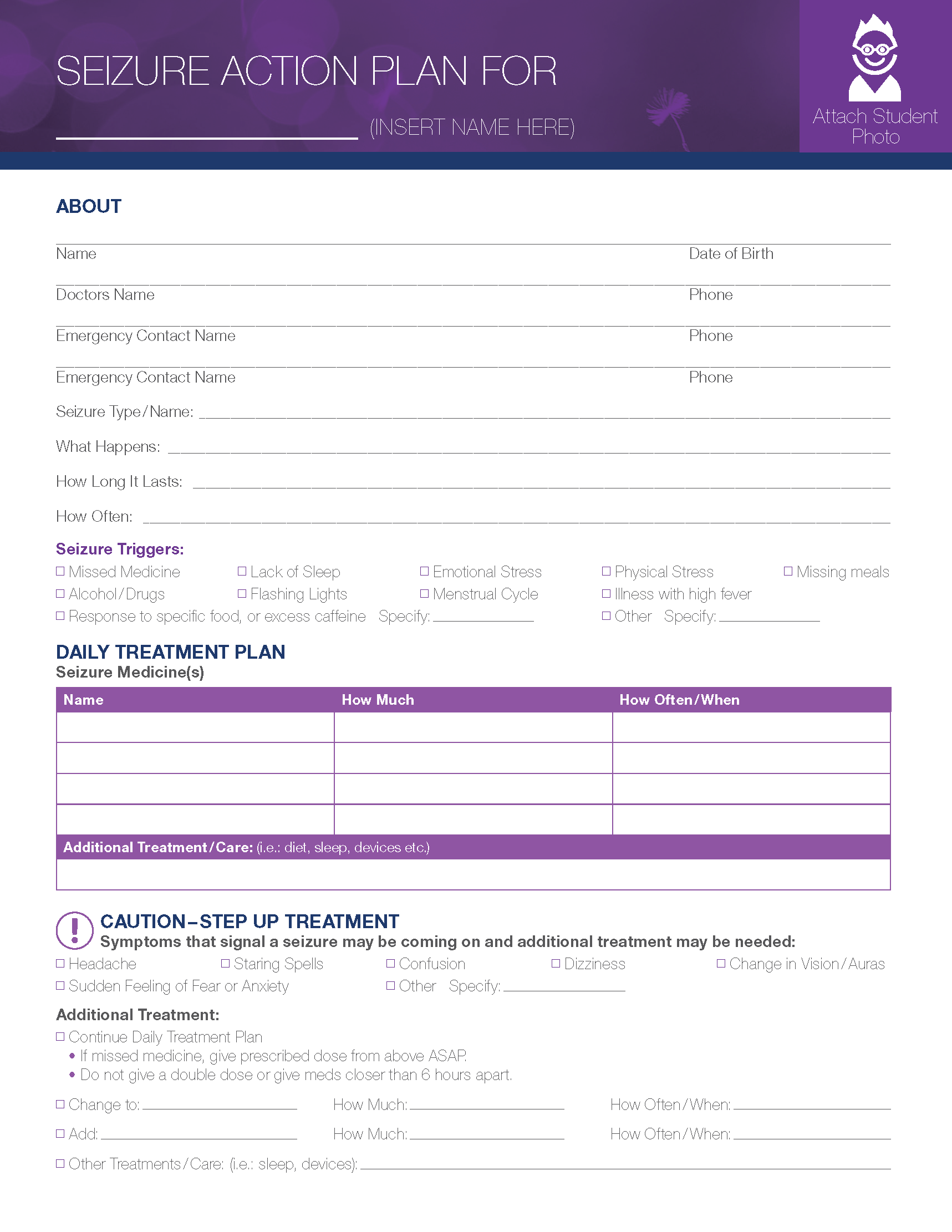
Seizure Action Plan (SAP) template
Use this template to create a personalized SAP, or set of guidelines on how to respond during a seizure. It includes health and medical information specific to the person and aims to help others recognize seizures and take the appropriate steps.
Advocacy groups
Advocacy groups are a great way to connect with other families who may be going through what you're going through–fostering a sense of community and support that brings families together to share advice, participate in events, learn about financial resources, or simply feel at ease in each other's company.


Financial assistance information
A number of programs are available to help you gain access to education, financial assistance, and home healthcare services. If you don’t qualify for Medicaid, Supplemental Security Income (SSI), or Social Security Disability Insurance (SSDI) benefits, you can apply for a state waiver to get the support you need. We’ve put some helpful links all in one place.
SSI/SSDI
SSI and SSDI are programs that offer benefits to disabled people (including children) who have limited income and/or are unable to work due to their disability.
Medicaid/State waivers
Medicaid provides health coverage to millions of Americans, including people with disabilities.
More to explore:
Learn about a treatment option for LGS
Talk to your doctor about LGS