
About LGS
Lennox-Gastaut syndrome (LGS) is a rare form of epilepsy that is associated with multiple types of seizures and can be secondary to other conditions.
An LGS overview
What is LGS?
Lennox-Gastaut syndrome (noun): len’ŏks gahs-tō sin-drōm—a rare form of epilepsy characterized by multiple types of seizures.
- The peak onset of LGS is between 3 and 5 years of age
- Symptoms of LGS may not be present at birth but usually appear in early childhood and evolve over time
- LGS encompasses a range of epilepsy characteristics and can be diagnosed along with other disorders
- People with LGS may have uncontrolled seizures or developmental delays before receiving a definitive diagnosis
Who has LGS?
LGS usually begins in early childhood and can change over time.
- LGS is typically diagnosed between 2 to 8 years of age, but for some, diagnosis can take longer
- Approximately 48,000 people in the US are living with LGS
- Up to 5% of children with epilepsy are diagnosed with LGS
What causes it?
- Some of the known causes include brain injury, infections, brain malformations, and a history of infantile spasms
- Genetic disorders may also be an underlying cause
- The cause is unknown in approximately 25% to 33% of people who have LGS
If you suspect you or your loved one has LGS, click here to get connected to a doctor or specialist near you.
Wondering if it could be LGS?
This personalized guide can help you ask the right questions and share key information your doctor needs to make a diagnosis.
A closer look at LGS

Developmental delays
Many living with LGS experience delays in their intellectual abilities and/or physical motor skills.

Abnormal electroencephalogram (EEG)
An abnormal EEG, or brain wave pattern, such as a slow spike-wave pattern (SSW), can be indicative of LGS, but may not be seen in all adults living with LGS as seizures change over time.

Multiple seizure types
Because people with LGS often experience multiple seizure types that can cause sudden drops or falls, some may wear protective gear like helmets to reduce the risk of injury.

Childhood onset
While most people with LGS have seizures that begin typically before the age of 5, their seizures can start at any point during childhood and will continue into adulthood.
What does life with LGS look like?
Hear about other caregivers' experiences with LGS.
“Seizures can come at any time… whether your plans are for a conference or even a special occasion like an anniversary, the situation could change in 15 minutes, and you need to adapt.”
– Stephen, parent of a loved one living with LGS
“Living with rare epilepsy can be physically, spiritually, emotionally, and relationally taxing, but it doesn’t have to consume you. You will still be able to enjoy life.”
– Darla, parent of a loved one living with LGS
“It’s a journey. It takes close collaboration with your doctor, and knowing things don’t happen overnight can help you remember that it’s going to be okay.”
– Jon, parent of a loved one living with LGS
Watch Lili and Natalie’s story
Lili was 6 months old when her seizures started. In this video, her mom, Natalie, talks about their diagnosis story, the power of doing your own research, and the importance of getting the right diagnosis.

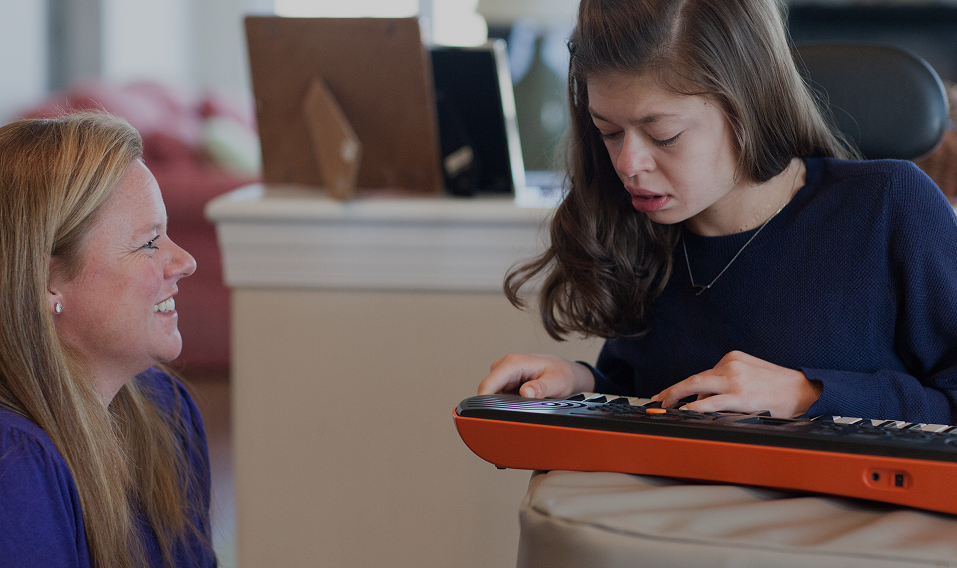
Seizures in LGS from childhood to adulthood
80% to 90% of children with LGS continue to have seizures as adults.
In children
Young children with LGS typically experience a variety of seizure types that can happen daily or several times a week. Common seizure types include:
- Tonic, atonic, and atypical absence seizures
- Tonic seizures during sleep
- Generalized tonic-clonic (also known as grand mal) and focal seizures

In teens
As children grow into adolescence, they may experience changes in the type, frequency, and timing of seizures:
- Tonic seizures often remain prominent, especially during sleep
- Atonic seizures may occur less frequently
- Atypical absence seizures may also become less common
- Drop seizures (which can lead to injuries) often persist
- Daytime seizures may become less frequent overall

In adults
For adults living with LGS, seizure patterns can continue to shift:
- Tonic seizures typically persist and are often the dominant seizure type
- Atypical absence seizures are significantly reduced and may disappear entirely
- Tonic-clonic seizures may occur more frequently
More to explore:
Learn more about the different types of seizures
Get the facts that might help your loved one get an LGS diagnosis